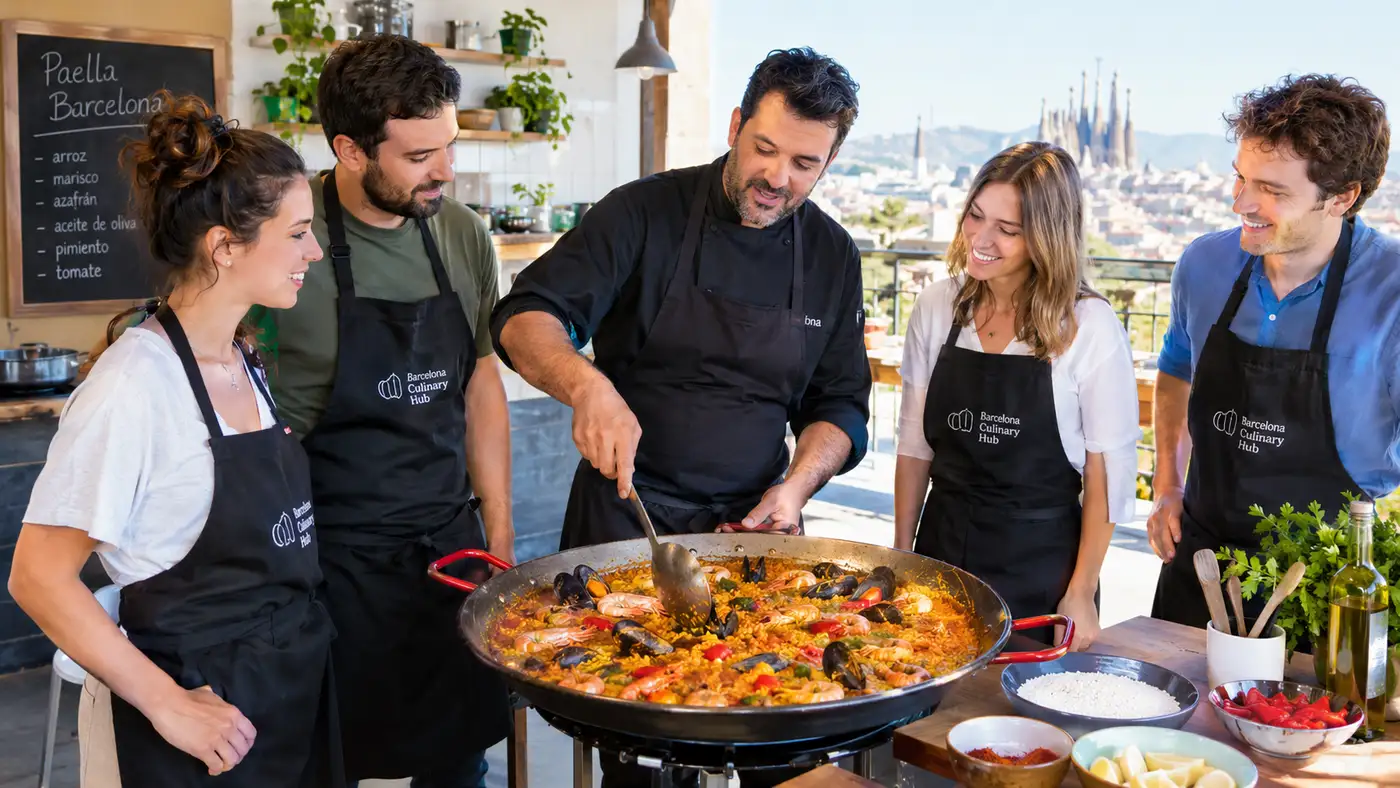
Guide to Cooking Classes and Culinary Schools in Barcelona
Walk down Carrer d'Avinyó around noon, and you will smell toasted garlic drifting from low basement windows. I spent years thinking eating my way through the city's tapas bars was enough, but booking one of the hands-on cooking classes in barcelona shifted everything for me. Standing over a wide steel pan, nudging short-grain rice with a wooden spoon while an old chef named Manel corrects your wrist posture, teaches you more about Catalan food culture in four hours than a week of dining out.
The city is packed with kitchen options today. You can choose a quick evening session whipping up pan con tomate and crema catalana, spend a full morning trailing an instructor through crowded neighborhood market aisles, or enroll in professional culinary schools in barcelona spain for a multi-week technical immersion. Navigating the lineup takes a bit of digging, because tourist traps exist alongside genuinely brilliant kitchen workshops.
Book your paella cooking class barcelona experience:
What to Expect from a Cooking Class in Barcelona Spain
Most recreational sessions run between three and four hours. You arrive, get handed an apron and often a glass of cold cava, and meet anywhere from six to twelve fellow travelers around a large stainless steel prep counter. It feels relaxed, like walking into a friend's oversized flat. The instructor usually lays out the menu right away: a classic seafood or mountain paella, two or three tapas like patatas bravas or garlic prawns, and a simple seasonal dessert.
The better workshops split the work so you are actively cooking rather than just watching a demonstration. You chop mounds of onions for the sofrito, clean squid, blend garlicky romesco sauce with stale bread and hazelnuts, and taste the broth every ten minutes as it simmers down. You quickly learn that authentic barcelona cooking relies on patience and olive oil rather than fancy gadgets. If someone tells you cooking barcelona dishes is fast, they are skipping the slow caramelization steps that give Catalan food its depth.
Pro tip: Pick an early morning session if your class includes a market visit, because the fishmongers at Santa Caterina pack away their best wild catches by 1:00 PM.
After the prep work finishes, everyone sits down together around a communal dining table. Carafes of local Priorat or Penedès wine appear alongside warm bread and the dishes you just pulled from the stoves. People swap travel recommendations, debate which neighborhood serves the crispest croquetas, and linger over espresso. It is a slow, unhurried meal that mirrors how locals actually eat on Sunday afternoons.
Recreational Cooking Classes Barcelona vs Professional Cooking Schools
You need to decide early on whether you want a vacation activity or serious professional training. Barcelona caters heavily to both ends of the spectrum, but mixing up the two will leave you either exhausted or disappointed. Recreational studios in El Born, Gràcia, and the Gothic Quarter focus on hospitality, storytelling, and accessible regional dishes. They are designed for travelers who want to sip wine, master the mechanics of rice dishes, and head home with a handful of dependable recipes.
On the opposite end, the city is a major European hub for accredited gastronomic education. Renowned cooking schools in spain draw students from across the globe. Institutions like the Hofmann Culinary School, which has held a Michelin star for its student-run dining room, offer intensive culinary diplomas. Other centers like Bellart or the CETT campus at the University of Barcelona offer structured cooking courses in spain lasting anywhere from three months to four years. These programs cover serious knife work, Catalan and French culinary theory, butchery, pastry arts, and restaurant accounting.
For travelers taking a sabbatical or looking to switch careers, enrolling in a multi-week cooking course barcelona offers an extraordinary look at Mediterranean ingredients. But if your goal is simply to overcome your fear of cooking over high heat and enjoy a fun night out, a half-day barcelona cooking class is a much better fit.
| Format | Average Duration | Typical Price | Skill Level | Best For |
|---|---|---|---|---|
| Evening Tapas & Paella | 3 to 3.5 hours | €55 to €80 | Beginner | Solo travelers, couples, casual food lovers |
| Market Tour & Workshop | 4 to 5 hours | €75 to €115 | Beginner to Intermediate | Curious home cooks wanting local food context |
| Private Kitchen Workshop | 3 to 4 hours | €130 to €220 | All levels | Families, corporate retreats, private celebrations |
| Short Professional Course | 1 to 4 weeks | €900 to €3,200 | Intermediate to Advanced | Culinary students, career changers, passionate amateurs |
| Culinary School Diploma | 1 to 3 years | €8,500 to €18,000 | Professional | Aspiring chefs seeking formal industry accreditation |
Recreational spaces emphasize conversation and comfort, whereas professional kitchens enforce strict hygiene rules, uniform requirements, and relentless repetition. Be honest with yourself about what you want from your kitchen hours.
Where to Learn Paella Cooking in Barcelona and Market Tours
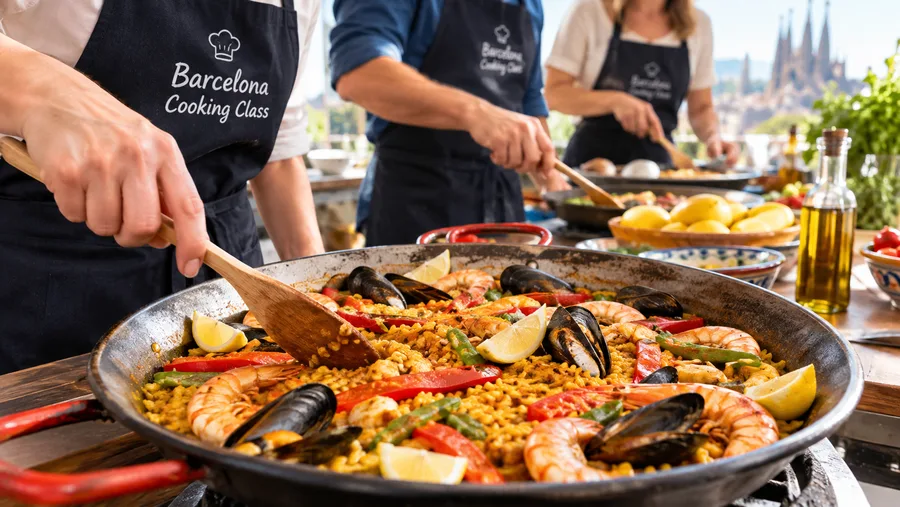
Almost every food lover lands in Catalonia wanting to learn the secrets of a perfect barcelona paella. Paella originated further south in the rice paddies of Valencia, but Catalan chefs have spent centuries adapting it into their own maritime tradition. Here, cooks lean into rich brown fish stocks, cuttlefish ink, crayfish, and plump red prawns from Blanes. Finding genuine spanish cooking classes in barcelona means avoiding operators who use cheap frozen seafood rings or synthetic yellow dye instead of real saffron.
The best culinary experiences start on foot at one of the neighborhood markets. Strolling between the stalls alongside a chef teaches you how to identify fresh, glossy-eyed fish, pick sweet seasonal artichokes, and select the right variety of short grain. If you want a complete introduction to market shopping followed by stove work, a Barcelona Paella Cooking Class with Boqueria Market Visit connects the busy market stalls with hands-on kitchen training in a nearby private studio.
Once you are in front of the wide, shallow pan, your chef will teach you the mechanics of building flavor from the bottom up. You will learn how to make a proper sofrito - cooking minced onions, garlic, and grated tomatoes down until they turn into a rich, dark paste that smells sweet. Then comes the toasted rice, the ladle of steaming broth, and the golden rule every chef repeats: stop stirring the rice once the liquid starts simmering.
- Bomba or Senia rice: short, round grains that absorb up to three times their weight in broth without falling apart into mush.
- Spanish saffron threads: dark red threads steeped in warm water, giving earthy aroma and amber color without synthetic colorants.
- Pimentón de la Vera: oak-smoked paprika from western Spain that lends the pan its signature woody warmth.
- Rich rockfish fumet: homemade seafood stock simmered with small bony rockfish, leek tops, and crushed crab bodies.
That deliberate restraint while the pan bubbles allows the starch to settle, developing the socarrat - the crispy, slightly caramelized crust on the bottom of the pan that local diners fight over. Getting that crust right without scorching the rice is an art, and it takes real guidance to hear the exact moment the bubbling sound changes to a faint sizzle.
Book your paella cooking class barcelona experience:
Beyond Rice: Tapas, Catalan Classics, and Sweet Breads
Catalan home cooking stretches far beyond rice pans. If you want a broader look at regional traditions, look for barcelona cooking lessons that tackle mountain recipes or seasonal vegetable dishes. Between January and April, winter classes often highlight calçots - thick, sweet spring onions charred over flames, wrapped in paper to steam, and eaten messy with nutty romesco sauce made from toasted almonds, dried nyora peppers, and garlic.
Warm spring and summer months turn the focus toward cold soups, escalivada, and quick seafood tapas. Escalivada is deceptively simple: whole red peppers, aubergines, and sweet onions roasted until their skins blister black, peeled, shredded into silky ribbons, and dressed with raw garlic and sea salt. Cooking classes barcelona studios host during warm seasons will often teach you how to cure fresh white anchovies in vinegar or fry padrón peppers until they blister and soften.
Note: Older Gothic Quarter apartment kitchens often lack high-capacity air conditioning, so if you are visiting in July or August, verify the studio has modern climate control before you lock in your dates.
Pastry and baking workshops are an overlooked corner of the culinary scene. Catalan desserts are distinct from the rest of Spain, heavily influenced by citrus peel, cinnamon, toasted pine nuts, and anise. Making crema catalana lets you practice tempering egg yolks into rich milk infused with lemon peel and cinnamon quills. The crowning moment comes right before eating, when you sprinkle sugar across the cold custard and sear it into a dark glass shell using a traditional red-hot iron disk.
Some recreational kitchens also cover savory flatbreads called coques. These yeast breads, topped with roasted vegetables, salted sardines, or caramelized onions, are staple street foods across Catalonia. Mastering the dough hydration gives you a practical bread skill you can easily replicate on a baking stone back home.
Choosing the Right Barcelona Cooking School for Your Trip
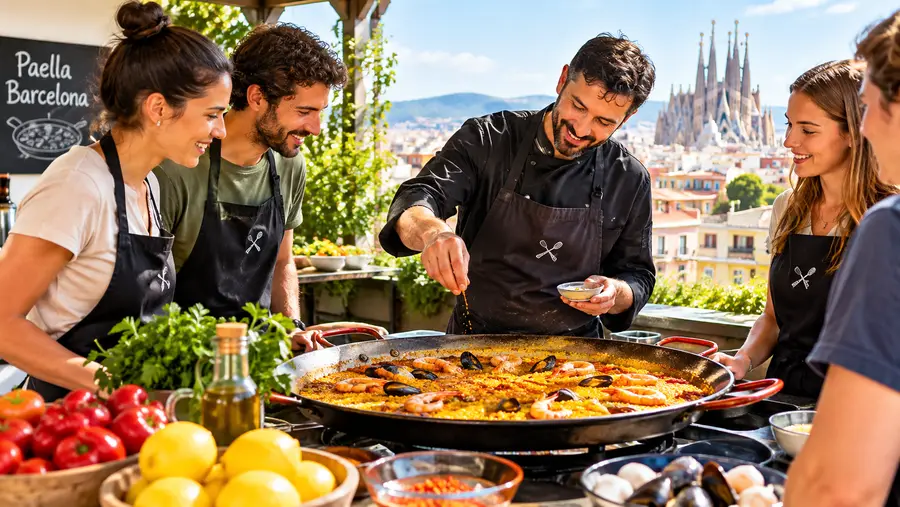
Neighborhood location heavily influences the atmosphere of your cooking class barcelona spain session. Studios in El Born and the Gothic Quarter usually occupy renovated 18th-century stone spaces with exposed timber beams and hydraulic tile floors. They offer incredible historic charm, though prep areas can sometimes be cozy. In the Eixample district, you will find modern culinary spaces with spacious layouts, private induction cooktops, and overhead mirrors for easier watching.
If you prefer a neighborhood untouched by heavy tour groups, look at cooking schools barcelona hosts in Gràcia or Poblenou. These residential studios often run smaller classes aimed at local residents or longer-term visitors. The pace is quieter, the instructors have more time to chat, and the nearby municipal markets - like Mercat de l'Abaceria or Mercat del Poblenou - feel like authentic community hubs rather than crowded tourist attractions.
Class size makes a massive difference in how much you actually take away. Avoid high-volume classes where twenty people stand around a single demonstrator while passing around a single cutting board. Those setups are passive entertainment. Instead, seek out kitchens that cap bookings at eight or ten guests, ensuring everyone holds a knife, tends a burner, and manages their own section of the meal. If you want a fun, social night that balances wine pairing with hands-on cooking, exploring Paella and Sangria Cooking Classes in Barcelona provides a lively atmosphere without sacrificing recipe quality.
- Instructor background: choose classes led by trained local chefs or lifelong Catalan home cooks rather than general tour guides.
- Individual work stations: check that students cook in pairs or individual stations rather than simply watching a live demo.
- Dietary adaptations: notify the kitchen at least 48 hours ahead if you need vegetarian, gluten-free, or shellfish-free substitutes.
- English fluency: ensure the class is conducted comfortably in English so technical cooking steps and timing cues stay clear.
Expect to pay around €65 to €95 per person for a reputable three-hour workshop that includes wine and a multi-course meal. If you stumble upon a deal online for €30, be careful. Those ultra-cheap sessions routinely pack twenty-five tourists into cramped rooms, use frozen ingredients, and serve bulk boxed wine while an instructor does nearly all the cooking from a central stage.
Frequently Asked Questions about cooking classes in barcelona
How far in advance should I book a cooking class in Barcelona?
Reserve your spot at least three to four weeks ahead during the peak travel months between May and October. Small-group kitchens with eight to ten spots sell out fast, especially for morning sessions that include market tours.
Can vegetarian or vegan travelers enjoy these cooking classes?
Yes, many studios readily swap seafood and meat for wild mushrooms, artichokes, and seasonal garden vegetables. You just need to inform the school when booking so the chef can purchase separate fresh produce and prepare vegetable-based broths.
Are children allowed to participate in Barcelona cooking classes?
Most standard group classes welcome older children around ten or twelve years old who can safely handle knives and hot pans. For younger kids, booking a private family session works best because the chef can tailor tasks like kneading dough and peeling tomatoes to small hands.
Is a market tour worth the extra morning time?
Yes, visiting a neighborhood market with a local chef is often the best part of the entire day. You get to sample cured cheeses, watch vendors break down whole swordfish, and learn how to evaluate Mediterranean produce like an experienced local shopper.
Quick Reference
- Standard class length: 3 to 4 hours
- Average recreational price: €65 to €95 per person
- Best neighborhood for studios: El Born and Eixample
- Core skills: Sofrito building, seafood stock, socarrat rice crust
Book your paella cooking class barcelona experience:
The Bottom Line
Spending half a day in a Barcelona kitchen gives you an intimate look at Catalan daily life that you simply cannot get from restaurant tables. Once you understand the patient rhythm of a proper sofrito and hear the sizzle of rice forming a crunchy base on the pan, you will see local restaurant menus with entirely fresh eyes. Book a small studio, arrive hungry, ask every question that comes to mind, and bring those sun-drenched Mediterranean flavors back home to your own stove.
Read more about paella cooking class barcelona.